Festival Culture of Nepal
Nepal, with its diverse ethnic groups and religious harmony, celebrates numerous festivals throughout the year. These festivals reflect the country's rich cultural heritage, deep spiritual beliefs, and strong community bonds. Most festivals are based on the lunar calendar, so dates change annually.
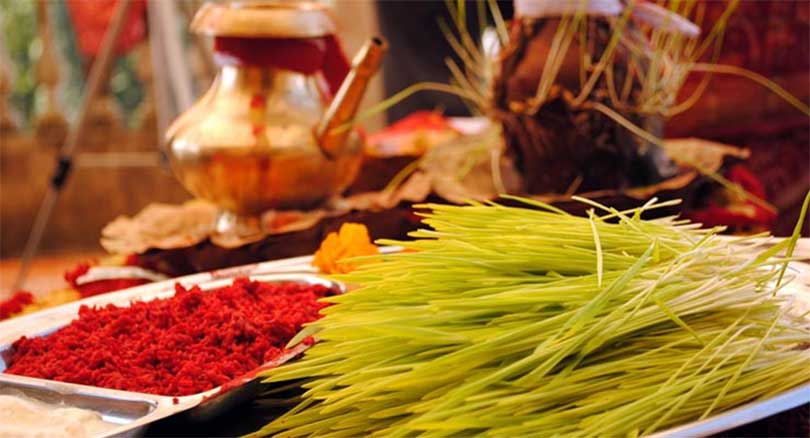
Dashain (Vijaya Dashami)
September-October (15 days)
The biggest and most important Hindu festival in Nepal, Dashain celebrates the victory of goddess Durga over the demon Mahishasura. Families reunite, receive tika (rice mixed with yogurt and vermillion) and jamara (barley shoots) from elders, and exchange blessings.
- Day 1: Ghatasthapana - Planting jamara
- Day 7: Phulpati - Bringing flowers
- Day 8: Maha Asthami - Animal sacrifices
- Day 10: Vijaya Dashami - Receiving tika
- Day 15: Kojagrat Purnima - Full moon day
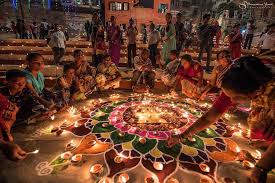
Tihar (Deepawali)
October-November (5 days)
Known as the festival of lights, Tihar celebrates the bond between humans and animals. Each day is dedicated to worshipping different animals: crows, dogs, cows, oxen, and the goddess Laxmi. Houses are decorated with oil lamps, candles, and colorful rangoli.
- Day 1: Kaag Tihar - Worship of crows
- Day 2: Kukur Tihar - Worship of dogs
- Day 3: Gai Tihar & Laxmi Puja - Worship of cows and goddess Laxmi
- Day 4: Goru Tihar & Govardhan Puja - Worship of oxen
- Day 5: Bhai Tika - Brothers' day
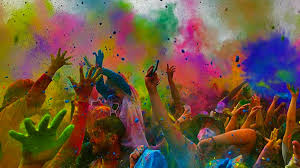
Holi (Fagu Purnima)
March (1 day)
The festival of colors marks the arrival of spring and the victory of good over evil. People play with colored powders and water, sing and dance, and enjoy special festive foods. In Terai region, it's celebrated a day later as "Holi".
- Morning: Holika Dahan - Burning of Holika effigy
- Day: Playing with colors and water
- Evening: Visiting friends and family
- Special Food: Gujiya, puran poli, thandai
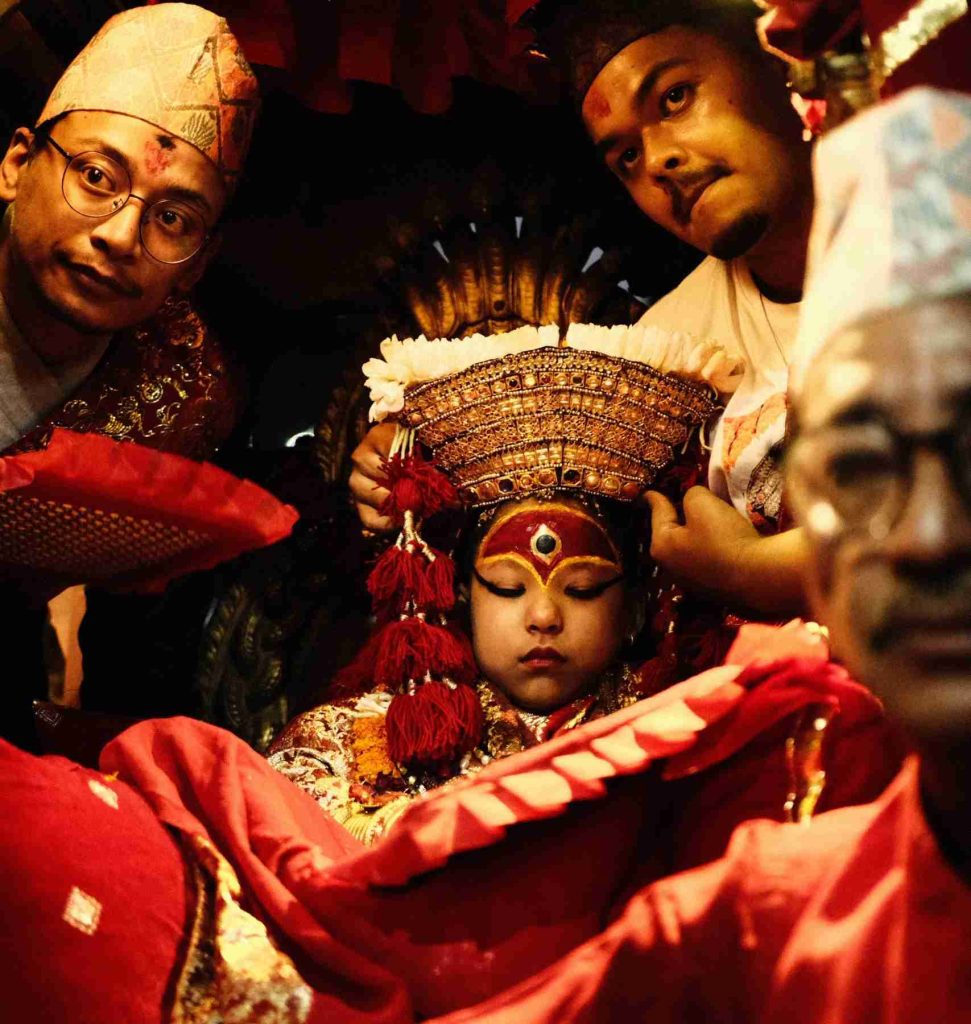
Indra Jatra
September (8 days)
Kathmandu's most famous festival celebrating the rain god Indra. The living goddess Kumari appears in public during a chariot procession. Masked dancers (Lakhey) perform traditional dances, and tall wooden poles (lingo) are erected in Kathmandu Durbar Square.
- Day 1: Erection of lingo (wooden pole)
- Day 3: Kumari Jatra - Living goddess procession
- Day 7: Bhairav Jatra - Bhairav procession
- Day 8: Nani Jatra - Funeral procession of Indra
- Highlight: Lakhey dance performances
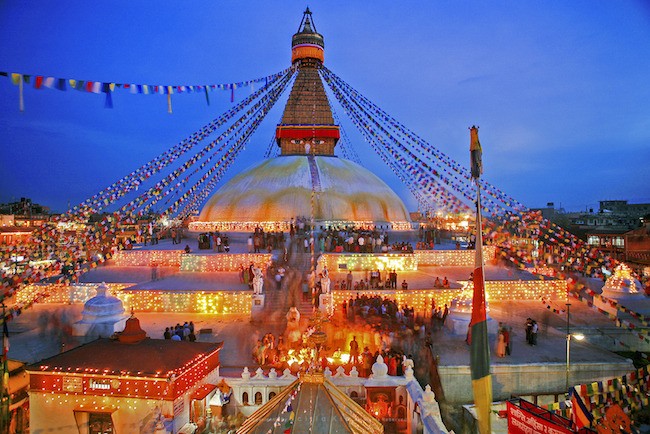
Buddha Jayanti
May (1 day)
Celebrates the birth, enlightenment, and death (parinirvana) of Gautama Buddha. Major celebrations occur at Lumbini (Buddha's birthplace), Swayambhunath, and Boudhanath stupas. Devotees chant prayers, light butter lamps, and offer flowers.
- Morning: Prayers and offerings at stupas
- Day: Processions and religious ceremonies
- Special: Free entry to monasteries and temples
- Food: Vegetarian meals served at monasteries
- Symbol: Bathing Buddha statues with scented water